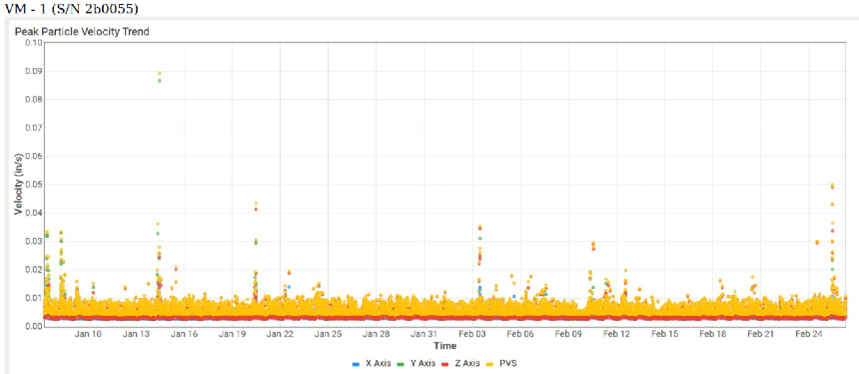
A prevalent obstacle in research facilities is vibration and sound that is undetectable by humans, but greatly impacts animal health and welfare, clarity of imaging, and reproducibility. Corrupted data can negate entire experiments. SenSV’s web-enabled solution monitors laboratory environments for vibration and sound, providing real-time insights into key factors that impact research outcomes and reproducibility. With customizable thresholds, alert and reporting functionality, and remote access via any web browser, SenSV empowers scientists to identify critical issues, minimize downtime, and achieve higher quality and productivity – saving time and mone
Vibration and sound can potentially affect the entire research chain including behavior of animals, physiological parameters, cell culture and molecular studies, electrophysiology and neuroimaging, microgravity experiments, and nanotechnology and imaging. Repeated experiments and lack of reproducibility extend the research timeline.
By identifying vibration and sound, action can be taken to remediate the problem. In addition to monitoring, the SenSV and Metropolitan Acoustics teams can design recommendations to reduce these effects.
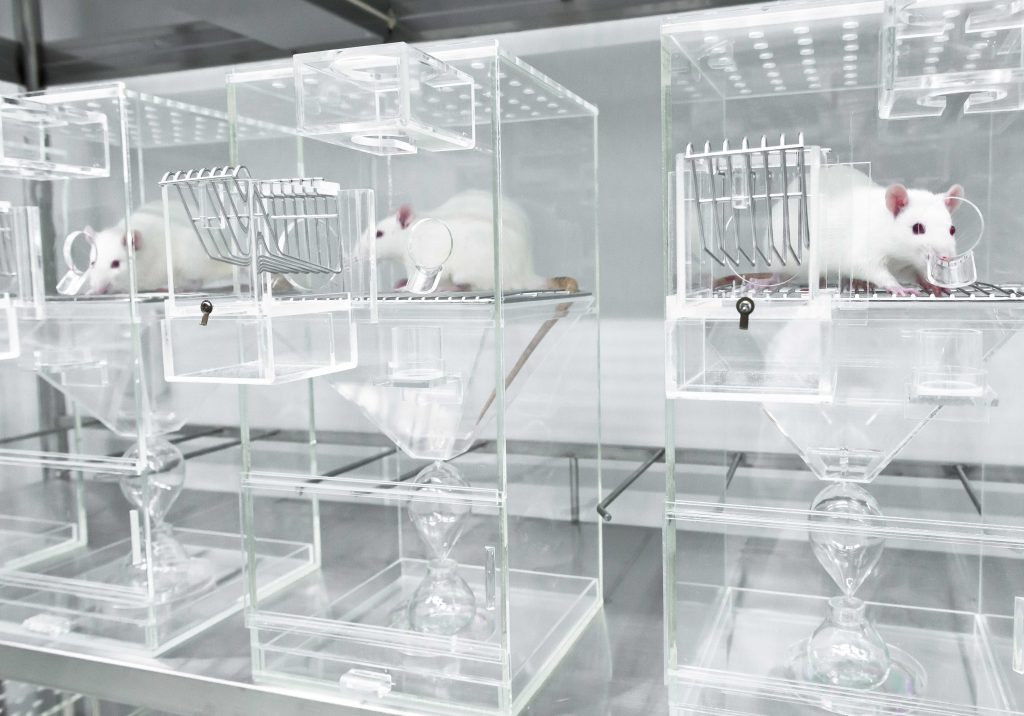
Vibration and sound can potentially affect mouse colonies in laboratory settings, and researchers must consider and manage these effects to maintain the well-being of the animals and ensure the reliability of experimental results. Impacts include stress, breeding delays, health and physiology, and experimental variability.
The 3Rs of animal research are Replacement, Reduction, and Refinement. SenSV directly helps with Refinement: use of methods that alleviate or minimize potential pain, suffering or distress, and enhance animal welfare for the animals used. By identifying vibration and sound, action can be taken to remediate the problem. In addition to monitoring, the SenSV and Metropolitan Acoustics teams can design recommendations to reduce these effects.
The effects of vibration on nanotechnology experiments can vary depending on the specific nature of the experiment and the materials or devices involved. Generally, vibrations can introduce challenges and considerations that need to be addressed in nanotechnology research and applications including measurement accuracy and stability, instrument performance, sample integrity, device functionality, material and fabrication, and communication and signal integrity.
By identifying vibration, action can be taken to remediate the problem. In addition to monitoring, the SenSV and Metropolitan Acoustics teams can design recommendations to reduce these effects.
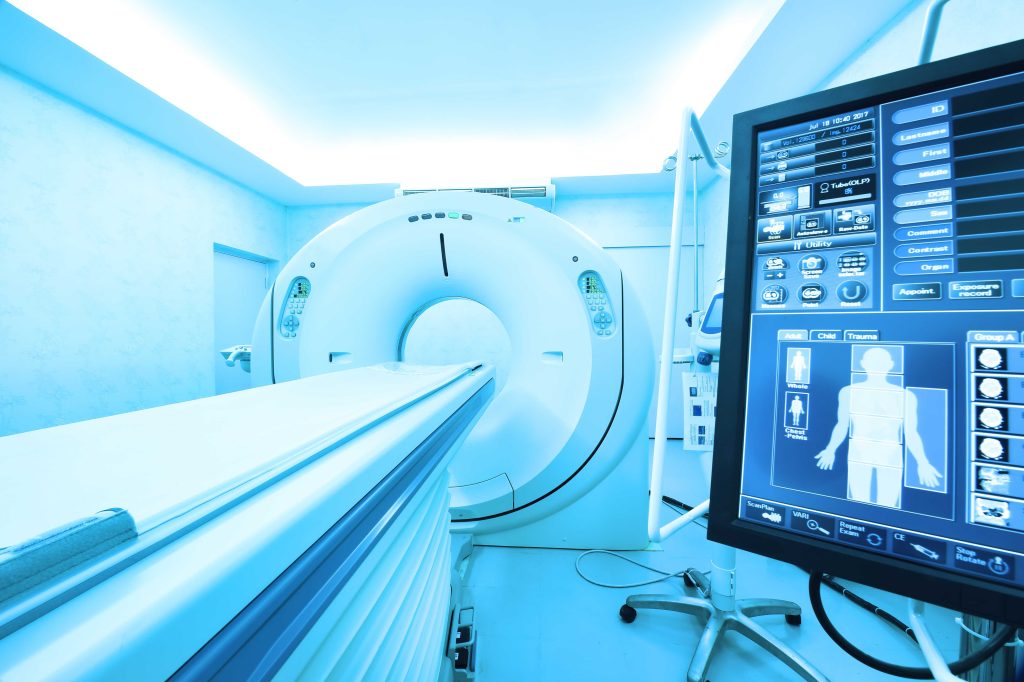
The effects of vibration on medical imaging and diagnostic equipment can be significant, potentially impacting the accuracy and reliability of diagnostic procedures. Various imaging modalities and diagnostic devices are sensitive to external vibrations, and these effects can vary depending on the specific technology. Some common considerations include motion artifacts, image quality degradation, spatial accuracy, ultrasound imaging, equipment calibration, and functional imaging.
By identifying vibration, action can be taken to remediate the problem. In addition to monitoring, the SenSV and Metropolitan Acoustics teams can design recommendations to reduce these effects.
Our platform monitors vibration in the range of 1-1000 Hz and sound from 20-20,000 Hz, covering a comprehensive spectrum for microscopy labs, animal labs, and nano research facilities. Vibration levels adhere to Vibration Criteria VC-A to VC-C, while sound levels range from 30 dBA to 120 dBA, all measured in precise 1/3 octave bands. Customizable thresholds tailored to each laboratory enable timely alerts when limits are exceeded.
Accelerometers and microphones are placed within the lab, while internet connectivity allows users to access live and daily data from any web browser. Your data is securely stored and easily accessible via the intuitive dashboard’s reporting functionality.
SenSV is truly plug and play; it installs easily and will automatically establish internet connectivity to the platform. The sensors are small and will not interfere with laboratory operations.
For animal laboratories, the NIH has guidelines for vibration levels. For microscopy labs, the equipment manufacturer often supplies vibration criteria that is specific to their equipment functionality. For sound in animal labs, there isn’t much information as to specific thresholds, although there are some studies. This is something that we hope to gather more information on.
SenSV is a web-enabled sensor platform that can effectively monitor laboratory locations for vibration and sound – key environmental factors that potentially affect outcomes and reproducibility in research. These environmental factors are mostly outside of human perception but can have a profound effect on the clarity of imaging equipment, the health and wellbeing of laboratory animals, and stability in nano research. Monitoring and identification of these extrinsic environmental factors aligns with a recent initiative from the National Institutes of Health (NIH) to improve laboratory conditions and reproducibility of experiments.
SenSV provides continuous monitoring of three axes of vibration and audible sound, which is viewable from any web browser. In contrast to traditional episodic monitoring, SenSV provides a holistic, situational awareness of labs, 24-7. You can see what happens in your lab overnight or early mornings when loading docks are active by simply recalling the data whenever and wherever you wish.
Quantifying the economic cost of these factors in a research or laboratory setting can be challenging and depends on individual situations. The economic impact will be influenced by the specific research goals, the type of animals involved, the nature of the experiments, and the extent to which vibration and sound may affect the research outcomes. Impacts include research interruption, animal health and welfare, experimental reproducibility, equipment and facility modifications, personnel costs, breeding delays, animal replacement costs, regulatory compliance, and loss of funding.